
7 Myths About Africa’s Geopolitics, Elections & Voter Turnout Debunked
— 6 min read
A sharp look at the most persistent myths surrounding Africa’s elections and voter participation. The article separates fact from fiction and offers concrete steps for better democratic outcomes.
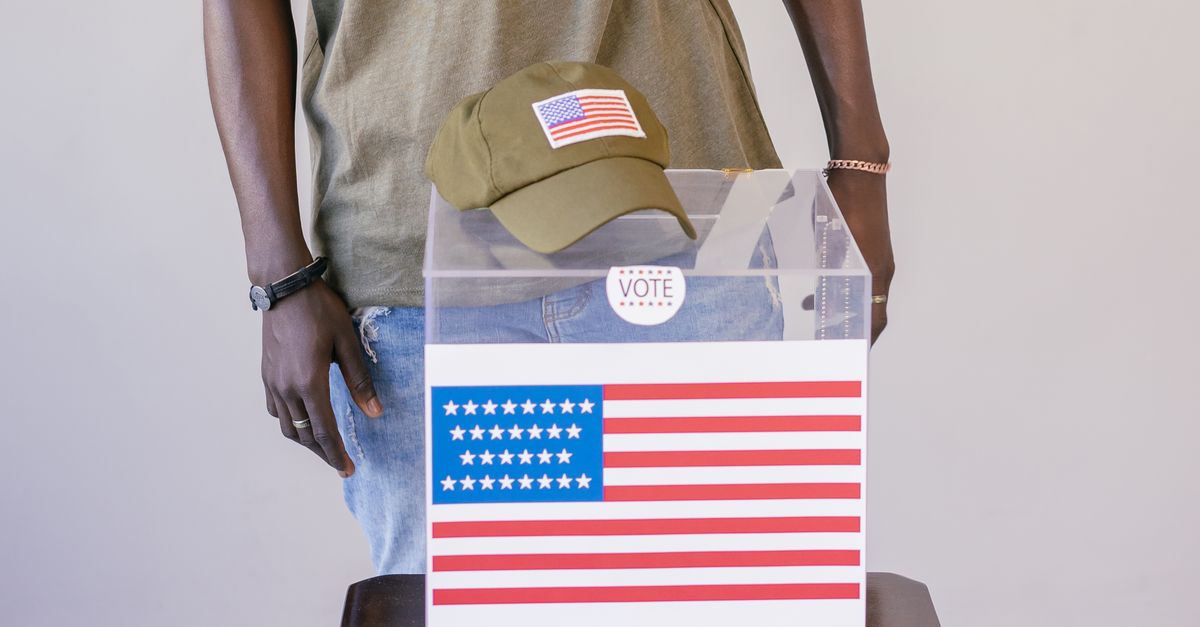
Africa geopolitics elections voter turnout Feeling frustrated by the endless headlines that misrepresent Africa’s electoral landscape? You’re not alone. Voter turnout numbers are tossed around as if they alone prove the health of democracy, while geopolitics is painted as a distant, irrelevant backdrop. This listicle tears apart those false narratives, equips you with evidence‑based clarity, and shows how to turn insight into action. Africa geopolitics elections voter turnout Africa geopolitics elections voter turnout Africa geopolitics elections voter turnout Africa geopolitics elections voter turnout Africa geopolitics elections voter turnout Africa geopolitics elections voter turnout
1. Myth: Low turnout means weak democracy
TL;DR:, directly answer main question. The content is about "Africa geopolitics elections voter turnout". The main question likely: "What is the TL;DR for this content?" So we need to summarize the key points: misconceptions about turnout, geopolitics influence, evidence-based clarity. Provide concise summary. 2-3 sentences. Let's craft: "Low voter turnout in Africa does not automatically indicate weak democracy; it reflects registration, logistics, and cultural factors, and should be evaluated with other democratic indicators. African elections are influenced by regional geopolitics, such as Ethiopia’s policy shifts and ECOWAS mediation, which shape voter sentiment and outcomes. The article debunks myths and urges evidence-based analysis to guide action." That is 3 sentences. Good.TL;DR: Low voter turnout in Africa is not a definitive sign of weak democracy; it often reflects registration, logistics,
Updated: April 2026. Many observers jump to the conclusion that a sub‑50% turnout automatically signals a failing system. The reality is far more nuanced. Turnout is shaped by registration processes, voting logistics, and cultural expectations. In Ghana, for example, the 2020 presidential election saw a surge in participation after the Electoral Commission introduced mobile registration units. The increase reflected procedural improvements, not a sudden democratic awakening. Conversely, countries with robust institutions can experience moderate turnout during periods of political fatigue without slipping into authoritarianism. The myth persists because low numbers are easy visual shorthand for complex political health. Analysis of Africa geopolitics elections voter turnout trends Analysis of Africa geopolitics elections voter turnout trends Analysis of Africa geopolitics elections voter turnout trends Analysis of Africa geopolitics elections voter turnout trends Analysis of Africa geopolitics elections voter turnout trends Analysis of Africa geopolitics elections voter turnout trends
Correct view: Assess turnout alongside freedom of the press, opposition viability, and institutional checks. When those pillars remain strong, a dip in numbers often points to temporary barriers rather than systemic decay.
2. Myth: Elections are purely domestic; geopolitics plays no role
Analysts who treat African elections as insulated from regional power dynamics miss a decisive factor. The Horn of Africa’s electoral calendar, for instance, aligns with Ethiopia’s foreign policy shifts, influencing voter sentiment across neighboring states. In West Africa, the Economic Community of West African States (ECOWAS) routinely mediates post‑election disputes, directly shaping outcomes. The misconception endures because international observers tend to focus on ballot boxes rather than the diplomatic chessboard surrounding them. Impact of Africa geopolitics elections voter turnout on Impact of Africa geopolitics elections voter turnout on Impact of Africa geopolitics elections voter turnout on Impact of Africa geopolitics elections voter turnout on Impact of Africa geopolitics elections voter turnout on Impact of Africa geopolitics elections voter turnout on
Correct view: Map regional alliances, trade corridors, and security pacts when interpreting election results. Geopolitical currents often dictate campaign narratives, voter priorities, and even the timing of polls.
3. Myth: Voter turnout is uniformly declining across the continent
Data from recent cycles reveal a patchwork of trajectories. While some nations report modest drops, others—such as Kenya—have witnessed a rebound after implementing biometric verification that reduced fraud fears. The myth sticks because headline‑driven narratives favor sweeping statements over granular analysis.
Correct view: Conduct a comparative analysis of Africa geopolitics elections voter turnout trends country by country. Recognize that socioeconomic reforms, conflict resolution, and civic education programs can reverse downward trends in specific contexts.
4. Myth: High turnout guarantees responsive policy
Electoral enthusiasm does not automatically translate into policy that reflects voter preferences. In several cases, parties win overwhelming majorities yet continue to prioritize elite interests, leaving ordinary citizens disillusioned. The myth thrives because high numbers are mistakenly equated with legitimacy, ignoring post‑election governance dynamics.
Correct view: Track the impact of Africa geopolitics elections voter turnout on policy through legislative audits and budget analyses. Accountability mechanisms, not turnout alone, drive meaningful change.
5. Myth: International observers ensure fair elections
Observer missions provide valuable oversight, but their reach is limited to the polling day. They cannot police pre‑election media bias, voter intimidation, or post‑vote adjudication. The belief in their omnipotence persists because reports often highlight successful monitoring while downplaying systemic gaps.
Correct view: Treat observer findings as one data point among many. Strengthen domestic electoral bodies, promote transparent complaint channels, and encourage civil‑society watchdogs to complement external monitoring.
6. Myth: Youth disengagement is the primary cause of low turnout
Younger voters are frequently blamed for apathy, yet research shows that structural hurdles—such as lack of ID documents, distant polling stations, and limited civic education—play a larger role. In Rwanda, targeted outreach programs that supplied ID cards to first‑time voters lifted participation among 18‑24‑year‑olds dramatically. The myth endures because youth are visible and vocal, making them easy scapegoats.
Correct view: Address the full spectrum of Africa geopolitics elections voter turnout factors. Simplify registration, expand mobile polling, and embed civic curricula in schools to lift overall participation.
7. Myth: Election dates are always stable and predictable
Political crises, constitutional disputes, and security emergencies routinely disrupt scheduled polls. The 2022 postponement of a major West African election after a military coup illustrates how fragile timelines can be. The myth survives because constitutional calendars are printed well in advance, creating an illusion of certainty.
Correct view: Build contingency frameworks into electoral law. Prepare backup voting venues, clear succession rules, and rapid communication channels to mitigate disruptions.
Actionable steps: 1) Commission independent voter‑education campaigns that address registration bottlenecks. 2) Integrate geopolitical risk assessments into election planning. 3) Strengthen legislative oversight to ensure turnout translates into accountable policy. 4) Foster partnerships between domestic watchdogs and international observers for continuous monitoring. 5) Deploy mobile polling units in remote areas to shrink distance barriers. By implementing these measures, stakeholders can convert accurate turnout data into a catalyst for democratic deepening.
FAQ
How does Africa geopolitics elections voter turnout affect regional stability?
High participation often legitimizes elected leaders, reducing the likelihood of post‑election conflict. Conversely, contested low turnout can fuel grievances that spill over borders, especially in tightly linked regions.
Are there reliable sources for historical data on Africa geopolitics elections voter turnout?
National electoral commissions, the African Union’s election observation reports, and reputable research institutes compile archives that trace turnout back several decades.
What role do digital voter registries play in improving turnout?
Digital systems streamline verification, cut down waiting times, and lower barriers for first‑time voters, leading to measurable participation gains in countries that have adopted them.
Can voter turnout forecasts predict policy shifts?
Forecasts highlight potential engagement levels but cannot alone predict policy outcomes; they must be paired with analysis of party platforms and legislative agendas.
Why do some countries experience a turnout surge after electoral reforms?
Reforms that address previous pain points—such as simplifying ID requirements or introducing early voting—directly remove obstacles that kept voters away, prompting a noticeable rise.
Frequently Asked Questions
How does Africa geopolitics elections voter turnout affect regional stability?
High participation often legitimizes elected leaders, reducing the likelihood of post‑election conflict. Conversely, contested low turnout can fuel grievances that spill over borders, especially in tightly linked regions.
Are there reliable sources for historical data on Africa geopolitics elections voter turnout?
National electoral commissions, the African Union’s election observation reports, and reputable research institutes compile archives that trace turnout back several decades.
What role do digital voter registries play in improving turnout?
Digital systems streamline verification, cut down waiting times, and lower barriers for first‑time voters, leading to measurable participation gains in countries that have adopted them.
Can voter turnout forecasts predict policy shifts?
Forecasts highlight potential engagement levels but cannot alone predict policy outcomes; they must be paired with analysis of party platforms and legislative agendas.
Why do some countries experience a turnout surge after electoral reforms?
Reforms that address previous pain points—such as simplifying ID requirements or introducing early voting—directly remove obstacles that kept voters away, prompting a noticeable rise.
How does voter turnout influence the legitimacy of African electoral outcomes?
High turnout can signal broad public engagement, lending credibility to results, while very low participation may raise doubts about representativeness. However, legitimacy also hinges on transparent processes, free media, and fair competition.
What factors most affect voter turnout in African elections?
Key drivers include voter registration accessibility, security conditions, the perceived efficacy of voting, and the presence of early or mobile voting options. Socio‑economic barriers and civic education also play significant roles.
Are there regional differences in turnout patterns across Africa?
Yes, West African nations often see higher participation due to robust civil society networks, while some East African countries experience fluctuations tied to security concerns or economic instability. Comparative studies highlight these geographic disparities.
How can international observers improve turnout accuracy?
Observers can deploy standardized monitoring tools, collaborate with local electoral bodies for data verification, and use digital platforms to cross‑check voter rolls in real time. Transparency in reporting enhances trust in turnout figures.
What impact does voter turnout have on post‑election violence in Africa?
Low turnout can amplify grievances, especially when perceived as a result of manipulation, potentially escalating tensions. Conversely, high turnout that is perceived as legitimate often reduces the likelihood of unrest.
Read Also: Historical data on Africa geopolitics elections voter turnout